Clinicians
Consent confirmed before the procedure, not looked for during it.
Consent is the document you never think about until you need it, and then it is the only thing that matters. It should be read before arrival, signed by the patient rather than on their behalf, and findable in seconds against the procedure it covers.
A consent form handed over at the desk with a pen is a form nobody reads. Sent ahead, it is read where there is time to read it.
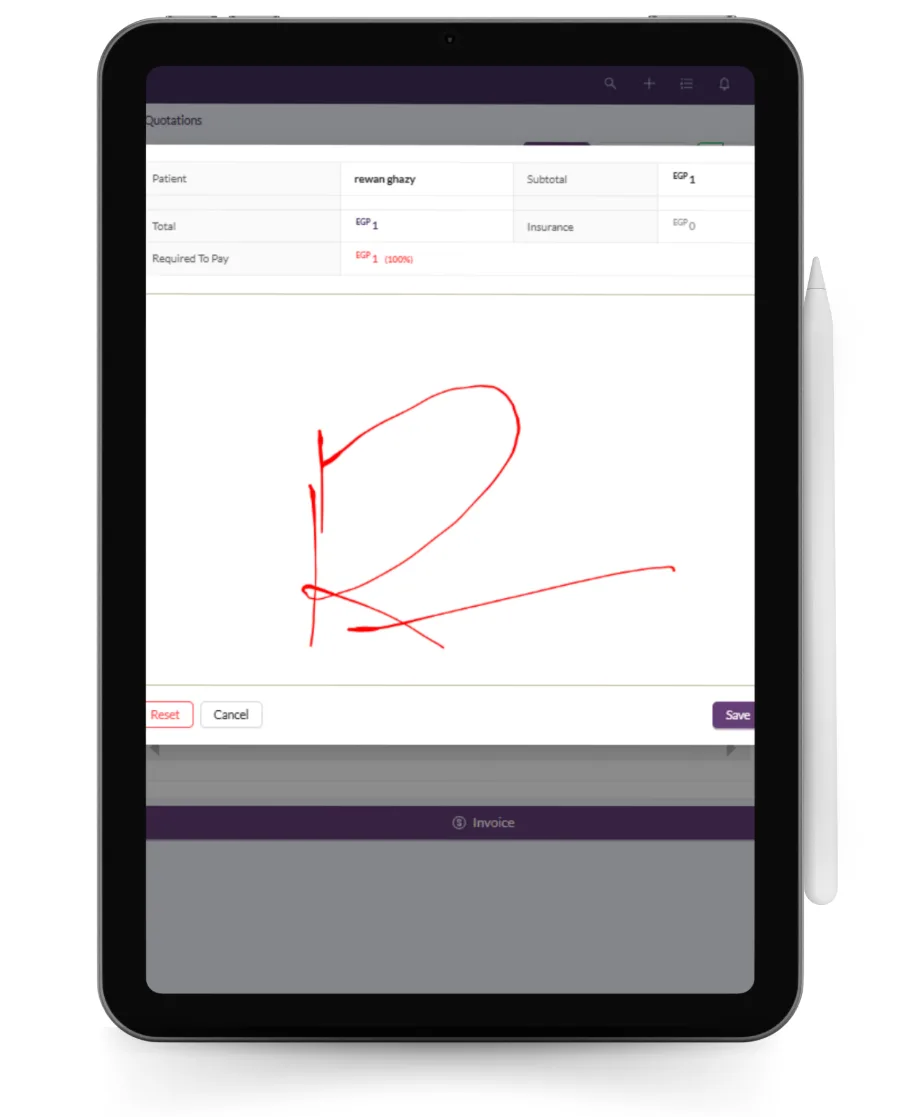
What makes a consent defensible is not that it exists. It is that you can show who signed it, when, and what it said at the time.
Clinics update their consent wording. What matters afterwards is which version a given patient agreed to, which means the old versions cannot be thrown away.
It is filled in by one person, relied on by another, and produced by a third, sometimes years later.
Consent confirmed before the procedure, not looked for during it.
Who has signed and who has not, before the list starts.
A document that can be produced with its version and timestamp.
Both are consent. Only one can be produced with a timestamp two years later.
Clinics across the region rely on them, and what makes one defensible is the evidence around it: who signed, on what device, at what time, and which version of the wording they were shown. All of that is captured. Whether a specific form meets a specific regulator’s bar is a question for your own legal advice.
Yes, and you should. A laser course and a psychiatric assessment do not need the same wording, and one general form tends to cover neither properly.
The new version applies from then on, and every patient stays linked to the version they actually signed. Past consents are not altered.
Yes, and the relationship is recorded alongside the signature rather than left to be inferred from the name.
Yes. When a file is requested, the signed consents come with it, each with its version and timestamp.
One medical record per patient: history, diagnoses, prescriptions, images and every visit in order. Medicolize keeps…
Read moreA code that registers a patient before they reach the desk, checks them in, opens the invoice and carries the ZATCA…
Read moreEvery change recorded with who made it and when. Medicolize gives clinic owners an audit trail rather than an…
Read moreHalf an hour on your own services, packages and price list. Someone calls you back within a day.