

Electronic Medical Records System
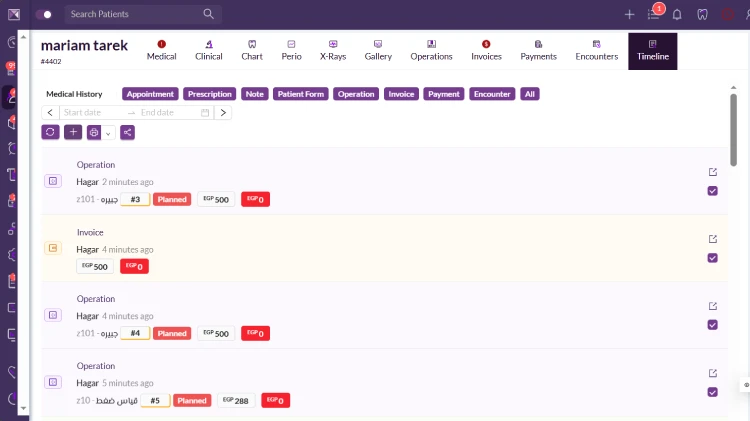
These days, data, speed, and accuracy are what drive healthcare. In a field where patient safety, speed, and compliance are crucial, paper files, disjointed records, and manual documentation are no longer viable. For this reason, a key component of contemporary medicine is the electronic medical records system.
Beyond just storing patient information, an efficient electronic medical records system accomplishes more. Clinical choices, operational operations, financial procedures, and patient experiences are all integrated into a single digital environment. Clinics that don’t implement a dependable system run the danger of inefficiency, medical mistakes, and missed potential for expansion.
This article explains what an electronic medical records system is, why it’s important, how it’s different from simple tools, and how sophisticated platforms like Medicolize improve EMR capabilities.
An Electronic Medical Records System: What Is It?
A digital platform that stores, organizes, and maintains patient medical data during their whole clinical journey is known as an electronic medical records system. Medical history, diagnoses, treatment plans, prescription drugs, test results, and follow-up notes are all included.
An electronic medical records system guarantees that patient data is correct, accessible, and updated in real time, in contrast to paper files or disjointed databases. Clinics benefit from having a single source of truth for all clinical documentation when they have access to sophisticated EMR software.
The Reasons Electronic Medical Records Systems Are Now Required
Manual records are no longer relevant due to healthcare rules, patient expectations, and operational complexity. The following are advantages for clinics that use an electronic medical records system:
- Decreased medical mistakes
- Quicker clinical judgment
- Better continuity of care
- Improved adherence to regulations
Additionally, clinics can standardize paperwork using modern EMR software, guaranteeing uniform quality across specialists and providers.
The Distinction Between Genuine EMR Software and Simple Digital Records
Digital systems are not all created equal. When they are only employing scanned papers or simple patient profiles, several clinics mistakenly think they have an electronic medical records system.
Genuine EMR software goes above and beyond by:
- Organizing clinical data
- Connecting medical records to consultations and therapies
- assisting with clinical processes
- Facilitating reporting and analytics
Instead of merely holding data, a comprehensive electronic medical records system actively supports the provision of care.
How Patient Care Is Improved by an Electronic Medical Records System
The influence of an electronic medical records system on patient outcomes is among its most potent advantages. Physicians have rapid access to a patient’s test findings, allergies, past medical treatments, and medical history.
Clinicians can use integrated EMR software to:
- Make judgments more quickly and intelligently.
- Assure the continuation of treatment
Manual or fragmentary records cannot provide this level of visibility.
Advanced EMR Software Is Required for Multispecialty Clinics
Polyclinics have particular difficulties. Different workflows and documentation formats are needed for general medicine, dentistry, physiotherapy, and dermatology.
A robust electronic health record system needs to facilitate:
- Patient charts relevant to a certain specialty
- Templates for custom treatments
- Various clinical procedures
Here, generic EMR software frequently malfunctions, requiring clinics to employ several systems. Cost and complexity rise as a result.
Discover how digital transformation in healthcare enhances efficiency and patient care
Medicolize: An Intelligent Electronic Health Records System
Medicolize was intended to be more than just an EMR program. With a highly integrated electronic medical records system at its heart, it is a comprehensive clinic management environment.
Rather than keeping clinical data separate, Medicolize links medical information to:
- Schedules
- Accounting and billing
- Consumables and inventory
- CRM and contact with patients
The electronic medical records system becomes a strategic operational instrument as a result of this integration.
Medicolize Specialty-Specific Patient Charts
Medicolize’s adaptable patient chart design is one of its best features. Its electronic medical records system supports different specialties within the same platform.
For instance:
- Dermatology: treatment regimens, laser procedures, and monitoring before and after
- Physiotherapy: rehabilitation planning, progress monitoring, and session-based notes
This makes it possible for polyclinics to use a single EMR program rather than purchasing different systems for every specialty.
The Benefits of Using Just One EMR System Rather Than Several
A common error made by clinics is to buy separate systems for each department. This results in:
- Silos of data
- Patient records that are inconsistent
- Increased prices
All specialties operate inside the same data structure when a single, integrated electronic medical records system, such as Medicolize, is used. This streamlines processes and enhances teamwork.
Enhancing Documentation Quality and Compliance
Accurate documentation is essential for healthcare compliance. A system for electronic medical records guarantees:
- Full patient records
- Clinical notes with a time stamp
- Documentation prepared for audits
By supporting organized data entry, Medicolize’s EMR software lessens the need for inconsistent free-text notes.
Patient Experience and EMR Software
Despite not being able to see the system, patients are affected by it. When utilizing an electronic medical records system, clinics offer:
- Quicker visits and less inquiries
- Improved monitoring
Medicolize enhances this by integrating the electronic medical records system with automated reminders and patient communication tools.
EMR Systems-Powered Data Analytics
Clinical data is only useful after analysis. Analytics dashboards from a contemporary electronic medical records system display:
- Results of treatment
- Performance of the doctor
- Trends in service consumption
Better clinical and business decisions are supported by Medicolize, which converts EMR software data into actionable insights.
Future Growth and Scalability
Systems need to scale as clinics expand. An inflexible electronic medical records system turns into a bottleneck.
Medicolize is designed to grow:
- Several branches
- More medical professionals
- Extra specialties
Regardless of scale, its EMR software preserves data integrity and performance.
Data protection and security
Patient information is private. An expert electronic medical records system needs to include the following features:
- Access based on roles
- Safe preservation of data
- Recovery and backup
Patient trust and regulatory compliance are guaranteed by Medicolize’s EMR software, which is built with healthcare-grade security standards.
Electronic Medical Records Systems’ Future
Digital, networked, and data-driven healthcare is the way of the future. AI, predictive analytics, and individualized care will all contribute to the ongoing evolution of the electronic medical records system.
Early investments in reliable EMR software give clinics an advantage over rivals who use antiquated technology.
Conclusion
Electronic medical records systems are now the foundation of contemporary clinical operations, not only a digital substitute for paper records. It enhances patient care, operational effectiveness, financial correctness, and scalability when driven by cutting-edge EMR software.
By integrating its electronic medical records system into a fully functional clinic management platform, Medicolize advances the idea. Medicolize offers much more than conventional EMR software, including specialty-specific charts, financial integration, inventory control, and analytics.
Purchasing the appropriate electronic medical records system is a strategic investment for clinics looking to improve treatment while running more efficiently.
